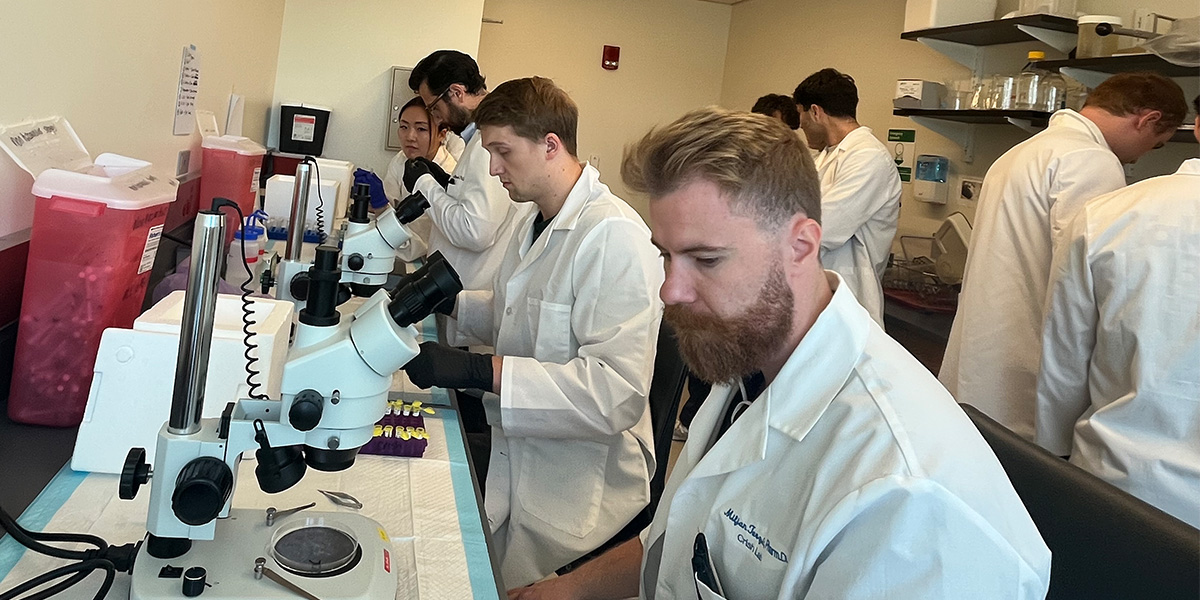
Summer offered abundant research opportunities for students
Students from the across the University participated in summer research projects in NEOMED’s pharmaceutical sciences labs, exploring different aspects of neurodegenerative diseases and other topics.
Below are reflections on projects from several participating students.
JIBRAN ADIL
Jibran Adil, a second-year student in the College of Medicine, spent his time researching the effects of Parkinson's pathology (α-synuclein) on the cognition of rats. (All work was done with approval of the NEOMED IACUC.) He handled and trained rats for their respective cognitive experiments and analyzed their behavior during those experiments in the lab of Dr. Sheila Fleming.
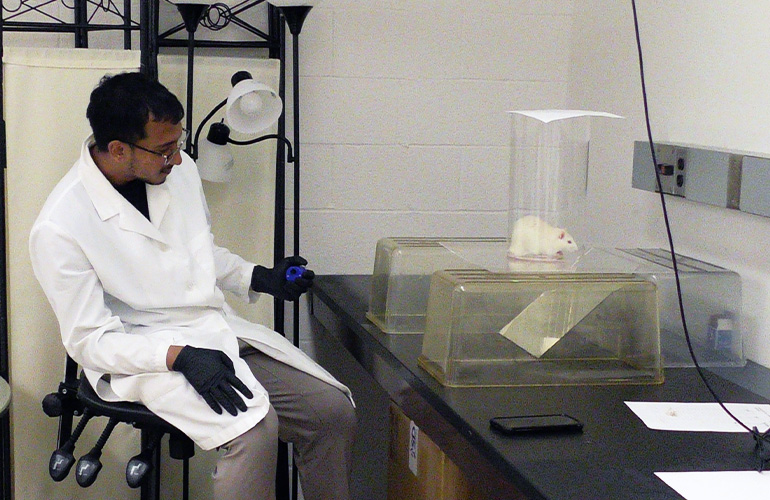
He shared:
“I found that doing the experiments with the rats and handling them were the most interesting.”
The most challenging thing? “Grading all the recorded rat videos could be difficult at times.”
“I was pleasantly surprised with how organized everything was, from the data recording down to how we conducted experiments.”
YAW AGYEMANG
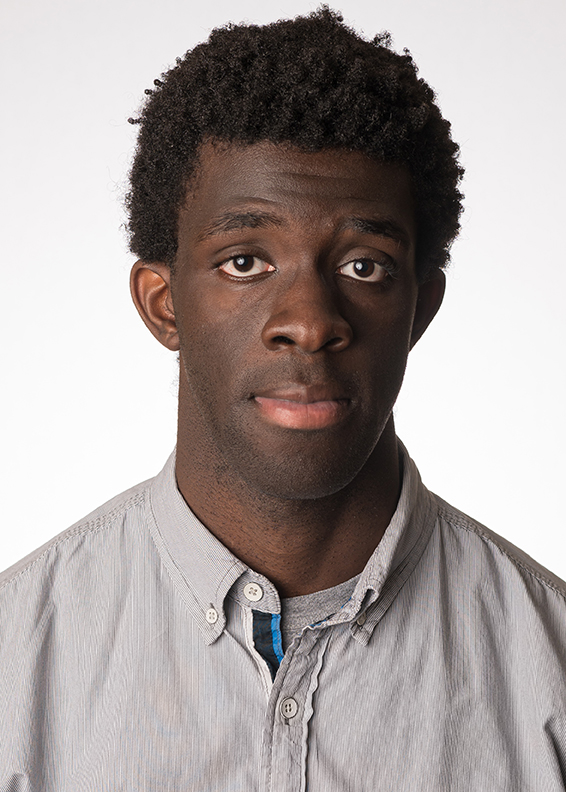 Yaw Agyemang is a third-year student in the College of Pharmacy who continued research in the lab of Dr. Xinwen Wang this summer, contributing via remote work this on a project screening for Carboxylesterase1 Substrate Medications.
He shared:
“The most interesting part of the summer research experience was being able to screen the large variety of new drugs that gets approved by the FDA each month and looking at the chemical diversity among these drugs.
“The most challenging aspect of this research experience was trying to balance devoting appropriate time between this project and my work schedule at the pharmacy at which I am employed.
“What I found surprising about research was the different ways that research can be performed. Preliminary steps such as literature searches are just as important as the actual experiments, since they help one to understand the scope of pre-existing work that has already been done revolving around the question one seeks to answer.”
MEHAK BEHAL
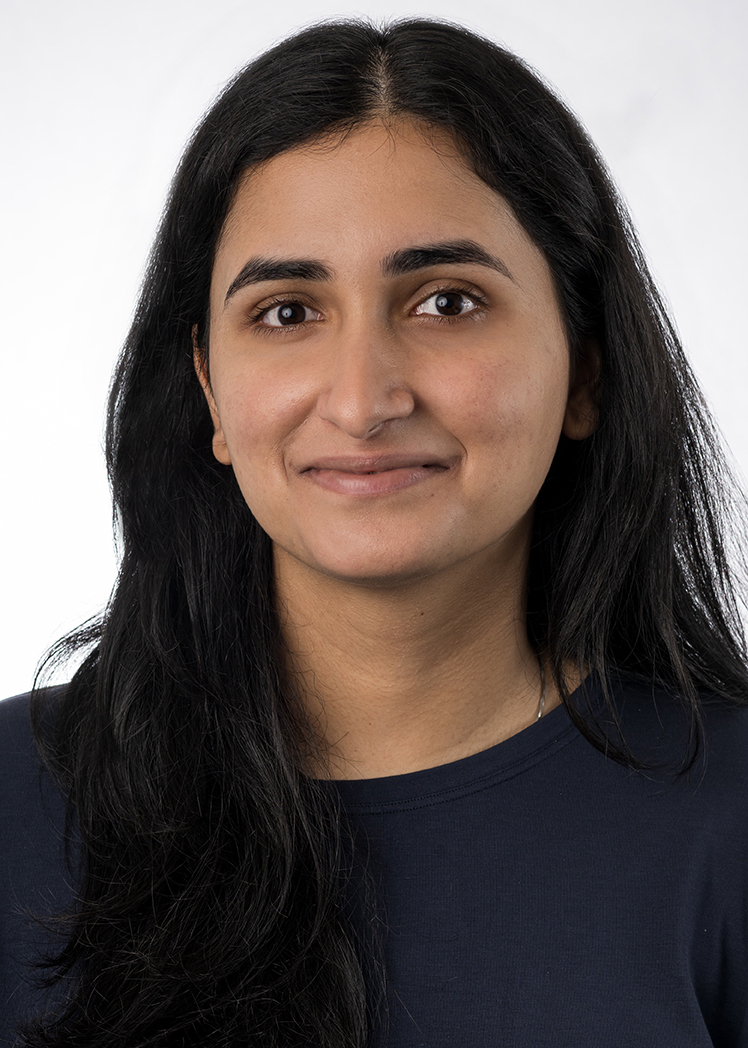 Mehak Behal, M1, has an undergraduate background in physiology and pharmacology. She is interested in the intersection of clinical care and biomedical research, with a focus on improving treatment outcomes through personalized medicine. This summer, she worked in the Wang lab on a project to identify the genetic risk factors affecting levodopa therapy in Parkinson’s disease patients, aiming to better understand how pharmacogenomics can inform individualized treatment strategies.
She shared:
“The most interesting part of my summer research experience was doing the background work that key research is based on. I had the opportunity to contribute to a literature search that now is being used as the basis for future lab experiments, which was really interesting, as it gave me exposure to the behind-the-scenes work that goes into research projects, giving me a newfound appreciation for research.
“The most challenging part of my summer research experience was understanding how sensitive cell-based experiments can be. A lot of research I have read worked with cell models and it seemed relatively straightforward, but having seen the nuances of cell work, I now understand how sensitive and time consuming the process is. [That] was a challenge to adapt to as I really wanted to do more work with cells, but was unable to do as much as I wanted as the cells adapted.
“I was most surprised to see how interdisciplinary research can be. I had always heard about bench-to-bedside research, where findings in wet lab settings are applied in clinical settings eventually, but had not been exposed to how interdisciplinary research is within the bench work side of things. Lots of times, our lab was working with other labs to troubleshoot protocols or work on collaborative projects which was surprising to see!”
YASH GUPTA
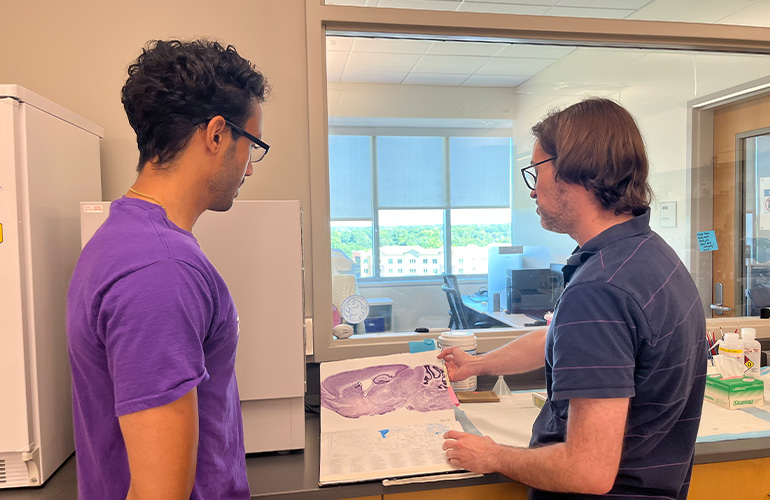
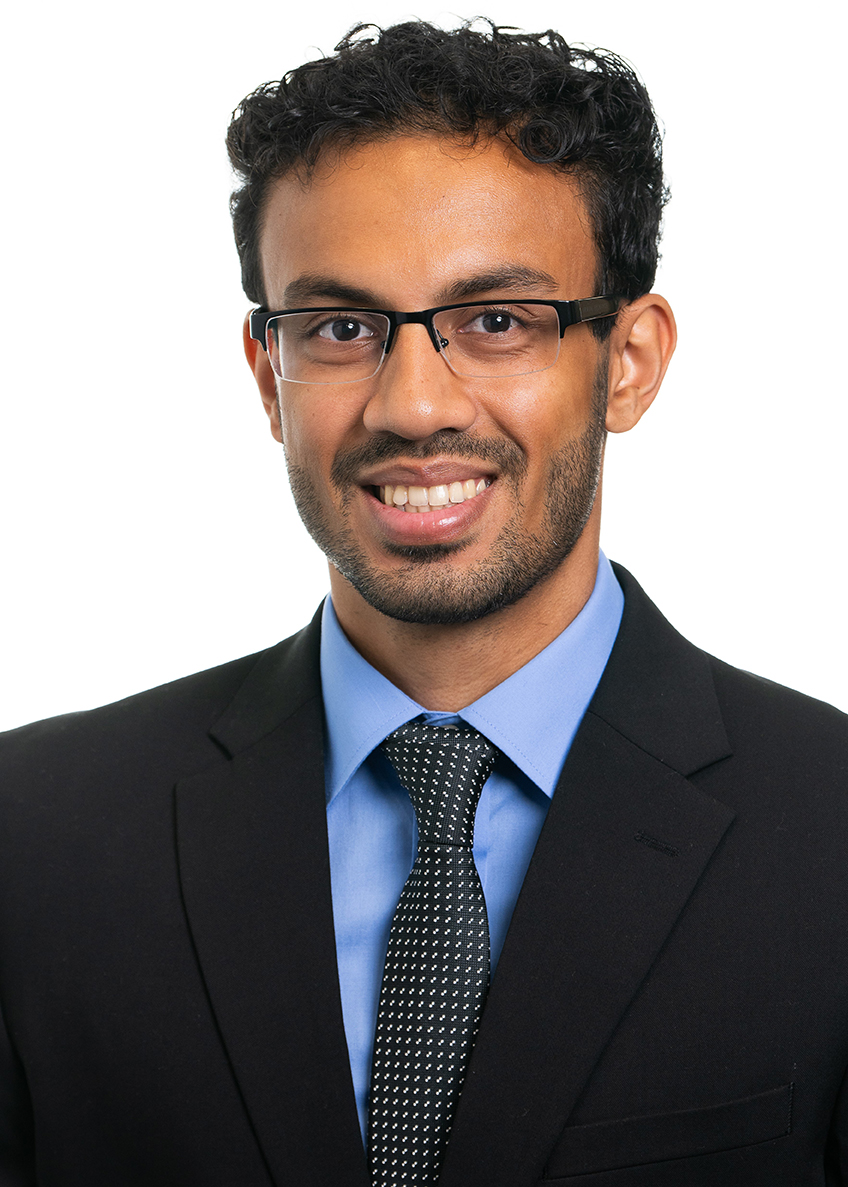 Yash Gupta, M2, completed his undergraduate work at The Ohio State University, receiving bachelor's degrees in biochemistry and mathematics and completing an undergraduate research thesis in microbial infection and immunity. Yash is working with Dr. Brad Casali in the lab of Dr. Erin Reed to characterize the ontogeny of microglia and myeloid-derived cells in the brain and at its boarders during aging and Alzheimer’s disease in mice.
He shared:
“The most interesting part was getting to image brain sections using a fluorescence microscope after immunohistochemical staining and seeing the different cell populations and plaques.
“The most challenging part was learning the neuroanatomy of the mouse brain and learning to recognize different brain structures across sections from different parts of the brain.
“What surprised me most about this research was the complexity behind the differences in the immune system/brain development of males and females.”
ISAIAH KONGSVIK
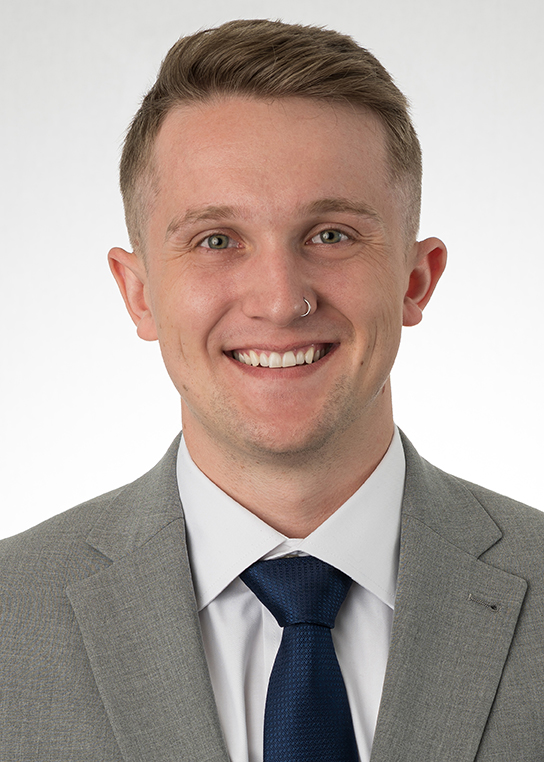 Isaiah Kongsvik, M2, is interested in neurology or ophthalmology. This summer, he worked on two different projects in the lab of Dr. Matthew Smith. The first project is looking at the neuroregenerative effects of Metformin on traumatic brain injury mouse models. The second project is partnering with a novel drug company to test the effects of their novel compound on Alzheimer's mouse models.
He shared:
“The most interesting part of my summer experience was being able to take high resolution images of individual retinal ganglion cells and reconstructing them to visualize the neural connections the cells have with each other.
“The most challenging part of my summer research experience was performing craniotomies on mice. Their skulls are so small and thin that drilling through their skulls while making sure to leave the brain completely intact was very challenging.
“Since I had done research with Dr. Smith previously as a volunteer, nothing about the research surprised me. I think it was surprising that my interests in medicine have become more open because of the experience, since I am now much more interested in neurology as well as ophthalmology.
SPENCER PARRISH
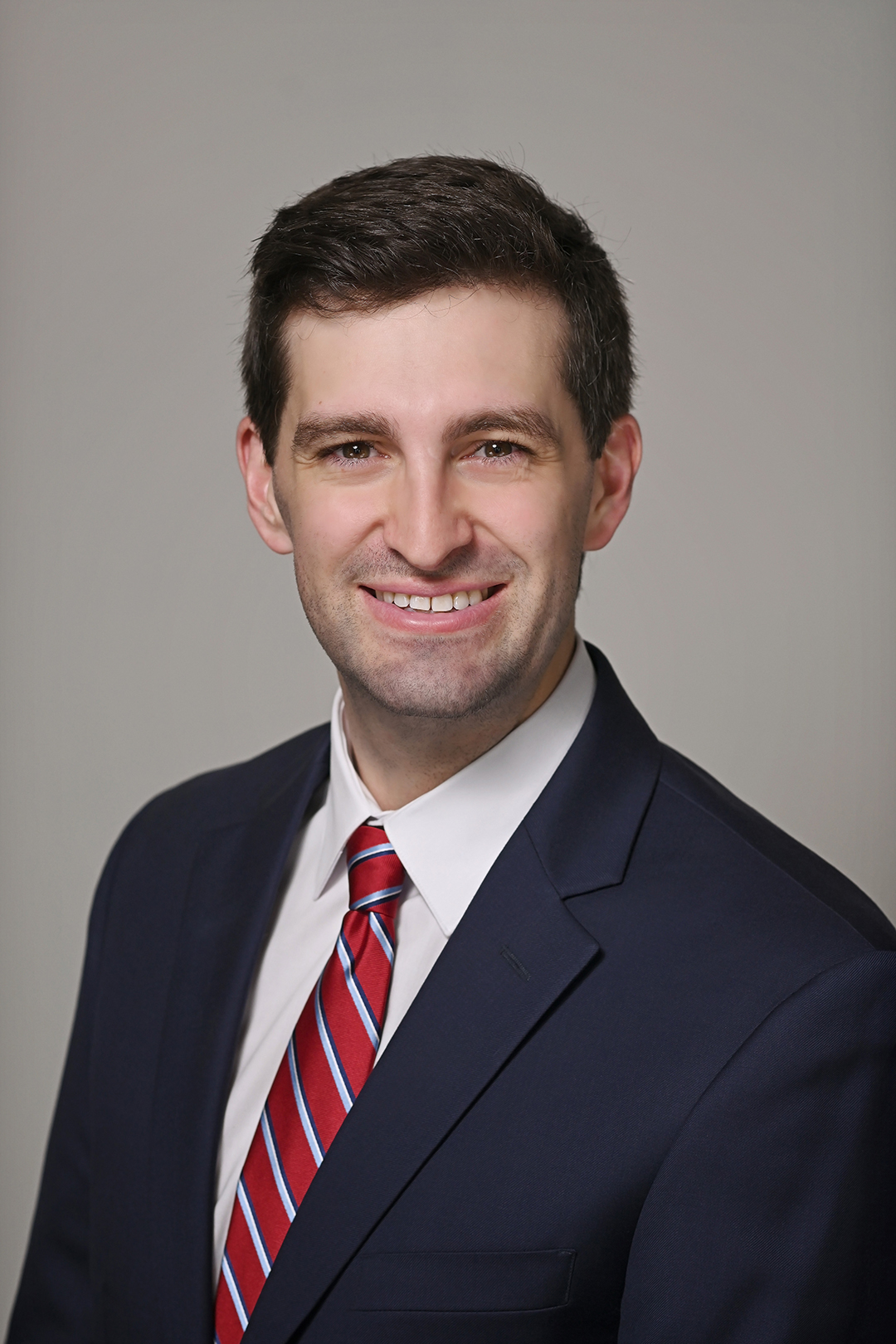 Spencer Parrish, M2, hopes to pursue a career in emergency medicine. This summer, he worked in the lab of Dr. Takhar Kasumov investigating the link between diabetes and tauopathy in Alzheimer’s disease.
He shared:
“The most interesting part of this research experience was the opportunity to find out more about neurodegenerative diseases and what we still don’t understand about them. And for what we still don’t know, how scientists are investigating to improve our understanding.
“The most challenging part was learning new methods to analyze data, particularly analyzing mass spectrometry. Also learning procedures for studying behavior in mice.
“I was most surprised by how much collaboration there is within and between labs, with everyone sharing the goal of putting out the best research possible.”
WILLIAM DANH TRAN
 William Danh Tran, M1, graduated from the University of Washington in 2022 and worked for two years before being accepted into NEOMED's Early Assurance Program in 2024. His work in the lab has been a challenging yet rewarding experience that has supplemented his prior clinical work. William’s summer research focused on a collaborative project between the Smith Lab and Dr. Miljan Terzic (a Ph.D. student in the lab of Samuel Crish), investigating the physiological changes in the visual nervous system associated with glaucoma. Additionally, he created a model for stimulating overpressure injuries in lab mice using 3D modeling, 3D printing and a modified paintball gun. He also learned numerous procedural techniques, including brain injections, mouse retina dissections and immunohistochemistry.
He shared:
The most interesting thing about the research was “learning about the fragility of the mammal visual system. The Smith lab focuses primarily on Alzheimer’s disease, but thanks to collabs with Miljan in the Crish lab, I got to work firsthand with mouse optic nerves and see the kind of changes that can occur on a cellular level in response to a disease like glaucoma.”
The most challenging thing was “mouse surgery, or maybe just handling mice in general. I came into the lab with some experience doing procedures on humans, so I was completely blindsided by the level of fine motor control needed to do even the most basic animal related experiments. Just watching some other lab members perform things like brain injections gave me palpitations, actually cutting open a mouse eye and trying to dissect out its retina is, and will probably remain, one of the hardest things I’ve ever done.”
The most surprising thing was “The amount of skill needed to be a full-time researcher. I don’t think I fully appreciated how much can go wrong in a lab until I was responsible for handling tissue or running procedures. It takes an immense amount of dedication and skill to keep a lab running and I’m immensely grateful I got to work alongside Dr Smith and his colleagues and see them work firsthand.”
“Overall, this experience has enriched my knowledge of neurodegenerative diseases and reinforced my commitment to incorporating research into his medical career.”
Other Summer Research in the Dept. of Pharmaceutical Sciences
Abigail Cho, M2, worked in the Crish lab. In her project, Abby measured Alzheimer’s disease-associated proteins in glaucoma. She also determined whether fingolimod, an FDA-approved drug for multiple sclerosis, rescues glaucomatous pathology via manipulation of these proteins.
Mason Doerrer, M2, worked in the Smith lab on assessment of non-image forming retinal pathways following traumatic brain injury and use of novel autophagic modulating compounds in neurodegenerative disease.
Quintaris Earl, M2, worked in the Smith lab on intratumoral concentration gradients of Dextamethasone in glioblastomas and meningiomas and use of novel autophagic modulating compounds in neurodegenerative disease.
Adam Grden, M1, worked in the Kasumov lab, contributing to the lab’s Alzheimer's disease project. His work focused on investigating the impact of diabetes-related alterations in brain metabolism on epigenetic mechanisms using a mouse model of diet-induced diabetic Alzheimer's disease.
Angela Klebs, P3, worked in the Wang lab, studying the impact of Parkinson’s disease on drug metabolism and transport in the brain.
Victor Lufi, M2, worked in the Smith lab on intratumoral concentration gradients of Dextamethasone in glioblastomas and meningiomas.
Vu Nguyen, M1, worked in the Smith lab on colocalization of integrins within neuronal cells in a tauopathy mouse model.
Alexander Salem, M2, worked in the Fleming lab, exploring the motor, cognitive, and visual implications of Parkinson's disease using a PFF a-synuclein model in rats.
Vikram Sundararajan, M2, worked in the Fleming lab, studying cognitive dysfunction in the alpha synuclein preformed fibril Parkinson’s rat model.