Why Health Resolutions Fail, and What Coaches Do Differently
The following Q&A originally appeared on the Executive Education LinkedIn page.
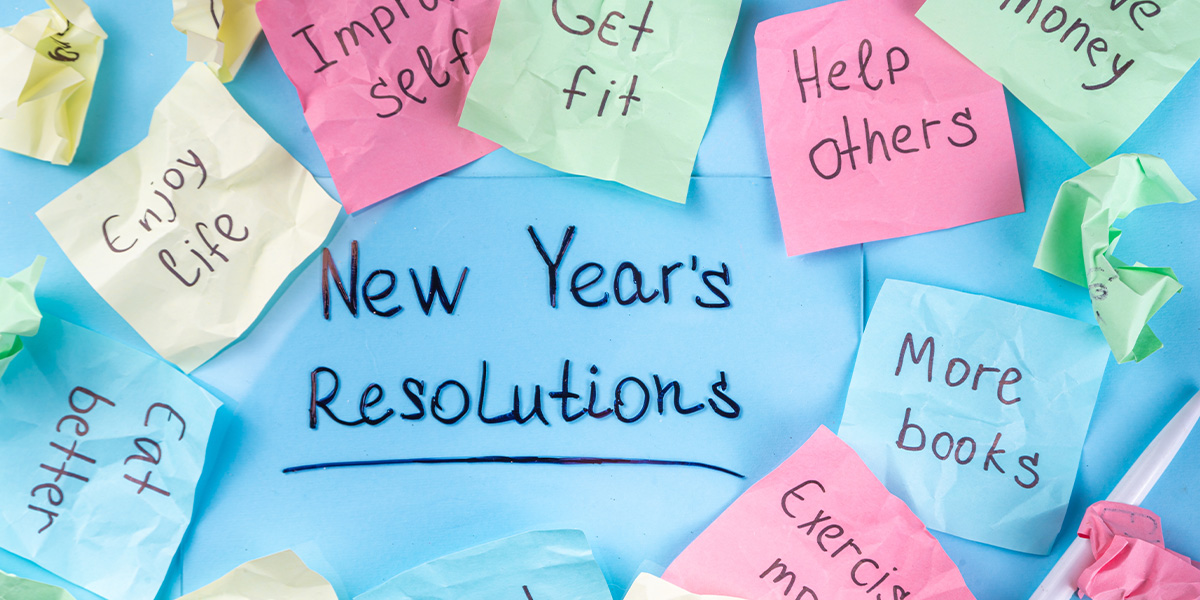
Every January, health-related resolutions surge. A 2024 Health and Fitness Association (HFA) study found that roughly 96 million Americans planned to set 2025 New Year’s resolutions focused on improving health and fitness, often centered on building muscle, establishing a consistent exercise routine, and using physical activity to support mental health and well-being.
And yet, most resolutions don’t stick. Common reporting suggests that only about 25% of people maintain resolutions beyond 30 days, and roughly 10% ultimately achieve them.
So, what separates the people who make sustainable change from those who feel discouraged by mid-January?
To explore that question, we spoke with Sabrina Cali, Ph.D., NBC-HWC, program director of the Health & Well-Being Coaching Certificate Program at NEOMED, about goal setting, habit formation, relapse recovery and the mindset shifts that support long-term, whole-person wellness. NEOMED’s coaching approach aligns with NBHWC competencies, emphasizing client-led priorities and coach-supported change, grounded in autonomy, evocation and ethical practice.
Q: Let’s start with the big question—why do New Year’s resolutions fail?
Cali: The most common issue is that resolutions are too vague or overly outcome focused. People will say, “I want to get in shape” or “I want to lose weight,” but they haven’t identified the behaviors they’ll practice daily or weekly to get there.
Another issue is that the plan isn’t client-chosen or cue-based. That means that it doesn’t connect to real-life routines. Without clear actions tied to everyday triggers, progress stalls. And then there’s the confidence drain that comes from comparison, especially on social media. Coaching helps clients clarify what they want, define the actions they’ll take, and decide how they want to track progress, without the coach deciding for them.
Q: Why do people tend to feel overwhelmed within the first few weeks?
Cali: Life doesn’t pause for resolutions. People are juggling work, family, caregiving, and a constant stream of “do more, be better” messaging. A lot of people feel like they need to change everything at once.
A helpful framework is the COM-B model, which says Behavior change depends on:
- Capability (skills and knowledge),
- Opportunity (environmental and social factors), and
- Motivation (thoughts and emotions driving action).
When someone feels overwhelmed, it often means that one of those three elements is missing or misaligned. Coaching uses the COM-B model to identify what’s getting in the way and to help clients choose a change that fits their reality.
Q: How do SMART goals and habit formation work together?
Cali: SMART goals—Specific, Measurable, Achievable, Relevant, Time-bound—are most effective when clients phrase them in their own words and connect them to cues in their day-to-day lives.
One of the best tools here is implementation intentions, which sound like: “After dinner, I’ll…” or “When I get home from work, I’ll…”
That cue-based structure reduces decision fatigue and makes the behavior easier to repeat. Progress tracking can help, too, whether that’s recording actions privately or sharing them with someone. Of course, this only works if the client finds tracking to be supportive rather than stressful.
Q: How long does it take for a new behavior to feel natural rather than forced?
Cali: A commonly cited average is about 66 days of consistent practice, though it varies by person and by behavior.
The bigger point is this: missing a day usually doesn’t derail progress. What matters is returning without turning a lapse into a story about failure
Q: What makes a health goal “realistic”?
Cali: A realistic goal fits the client’s capability, opportunity and motivation. It reflects what matters most to them, not what they think they should do.
We also emphasize whole-person wellness, which includes the Eight Dimensions of Wellness: emotional, environmental, financial, intellectual, occupational, physical, social and spiritual. Sometimes the most meaningful “health” goal isn’t purely physical. It might be getting more sleep, setting personal boundaries, managing stress, or strengthening social connections.
Q: Should people focus on one goal at a time, or can they work on multiple areas?
Cali: Most people do better when they start with one primary behavior, then layer additional changes once the first one is stable.
It’s not that multiple goals are impossible, but early success builds confidence and momentum. Starting small is often the fastest path to sustainable change.
Q: What strategies help people push through when motivation fades?
Cali: Motivation always fluctuates, so the plan has to work even when enthusiasm dips. A few strategies we use in coaching:
- Reconnect to your “why” using Motivational Interviewing (MI).
- Support autonomy and competence, applying Self-Determination Theory.
- Use temptation bundling if it appeals to you (pair a habit with something enjoyable).
- Create if–then plans for predictable obstacles.
- Keep goals visible (mirror note, phone wallpaper, calendar reminder).
- Track progress if it feels empowering, not punishing.
When motivation fades, we don’t treat it as a personal flaw. We treat it as a signal to adjust the plan.
Q: Let’s talk relapse. How can someone recover after getting off track?
Cali: First, we reframe it: a lapse isn’t failure; it’s part of the behavior change process.
The Marlatt & Gordon relapse model is helpful because it treats setbacks as information. In coaching, we explore:
- What situation increased risk?
- What got in the way—capability, opportunity, or motivation?
- What’s the next best step that feels doable?
The goal is to reduce shame and shorten the time between “off track” and “back to the plan.”
Q: What role does self-compassion play in maintaining health goals?
Cali: Self-compassion is foundational. People persist longer when they feel autonomous, capable, and supported, especially after setbacks.
Coaching models are successful when they offer nonjudgmental listening and focus on client choice. When people respond to missed days with self-criticism, they’re more likely to disengage entirely. When they respond with compassion, they’re more likely to restart quickly.
Q: What are some small, manageable changes that lead to bigger transformations over time?
Cali: Small actions compound, especially when they’re tied to routines. Here are some examples that span the Eight Dimensions of Wellness:
- Emotional: Two minutes of mindful breathing before opening social media.
- Environmental: Declutter one surface in your home or workspace.
- Financial: Five-minute weekly spending check.
- Intellectual: Read one page nightly.
- Occupational: Use a boundary-setting script before late emails.
- Physical: Move for 5–10 minutes.
- Social: Text one supportive person.
- Spiritual: Practice gratitude or spend time in nature.
These are intentionally small. The goal is repeatability, not intensity.
Q: If you could give only one piece of advice to someone already discouraged about their January goals, what would it be?
Cali: Don’t wait for Monday. Start now. Pick one small, meaningful action, keep it visible and forgive missed days. Fresh starts are helpful, but cue-based plans and self-compassion are what sustain change.